With continuous advancements in lithium-ion battery technology, lithium batteries are increasingly becoming the new favorite in the electric motorcycle market.
I. Classification of Lithium Batteries for Electric Motorcycles
1. Ternary lithium batteries: High energy density and good low-temperature performance, but relatively lower thermal stability.
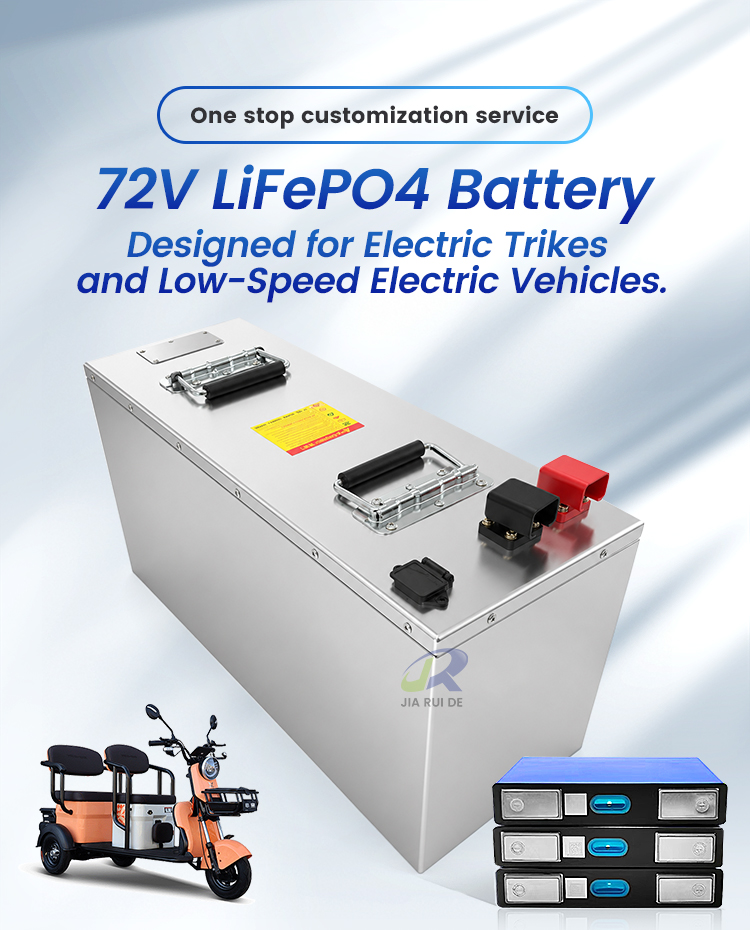
2. Lithium iron phosphate (LFP) batteries: Long cycle life and good safety, but lower volumetric energy density.
3. Lithium manganese oxide batteries: Lower cost and good safety; suitable for budget-constrained applications.
II. Key Indicators of Battery Performance
1. Energy density: A key parameter determining driving range
2. Cycle life: Directly affects battery longevity
3. Charge/discharge efficiency: Impacts charging speed and power response
4. Temperature adaptability: Influences performance across different climates
III. Recommendations for Selecting Lithium Batteries for Electric Motorcycles
1. Commuter vehicles: Prioritize the durability of lithium iron phosphate (LFP) batteries.
2. High-performance sports models: Ternary lithium batteries deliver superior power performance.
3. Cargo and transport vehicles: Require a balanced solution that addresses both range and stability.
IV. Voltage and Capacity Matching
1. 36V systems are suitable for lightweight personal mobility vehicles.
2. 48V–60V systems meet most load-carrying requirements.
3. 72V systems are used for high-power electric motorcycles.