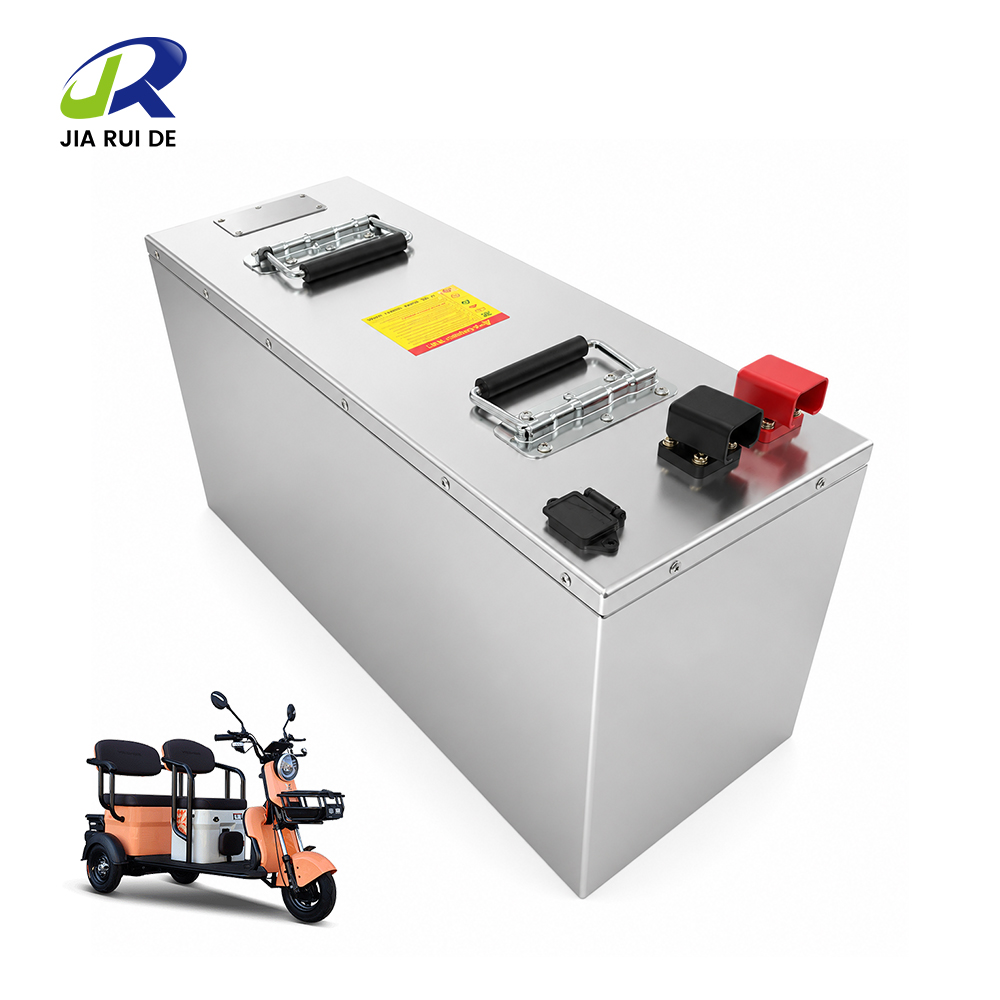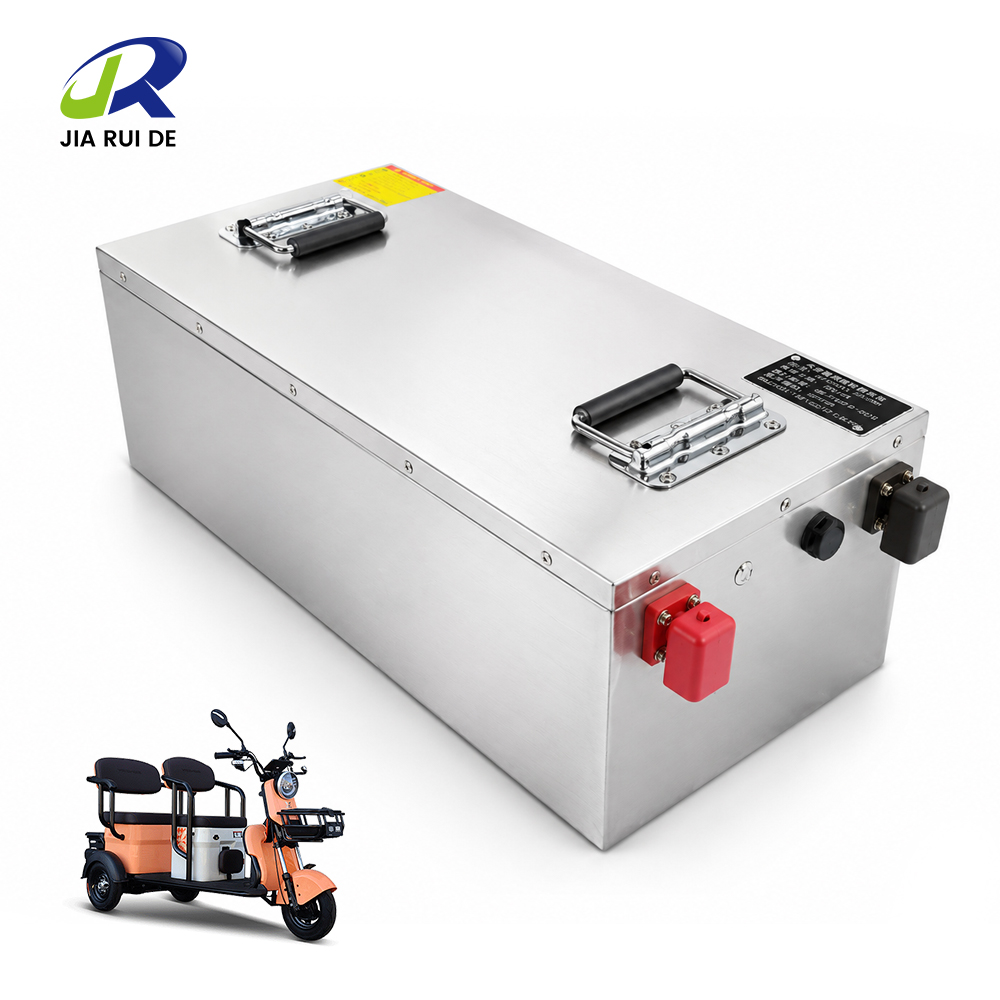
Electric motorcycles are a type of urban short-distance transportation powered by electricity, with lithium batteries as their core power source.
Lithium batteries have advantages such as high energy density, low self-discharge rate, and long lifespan, making them particularly suitable for electric motorcycle usage scenarios requiring long range and fast charging.
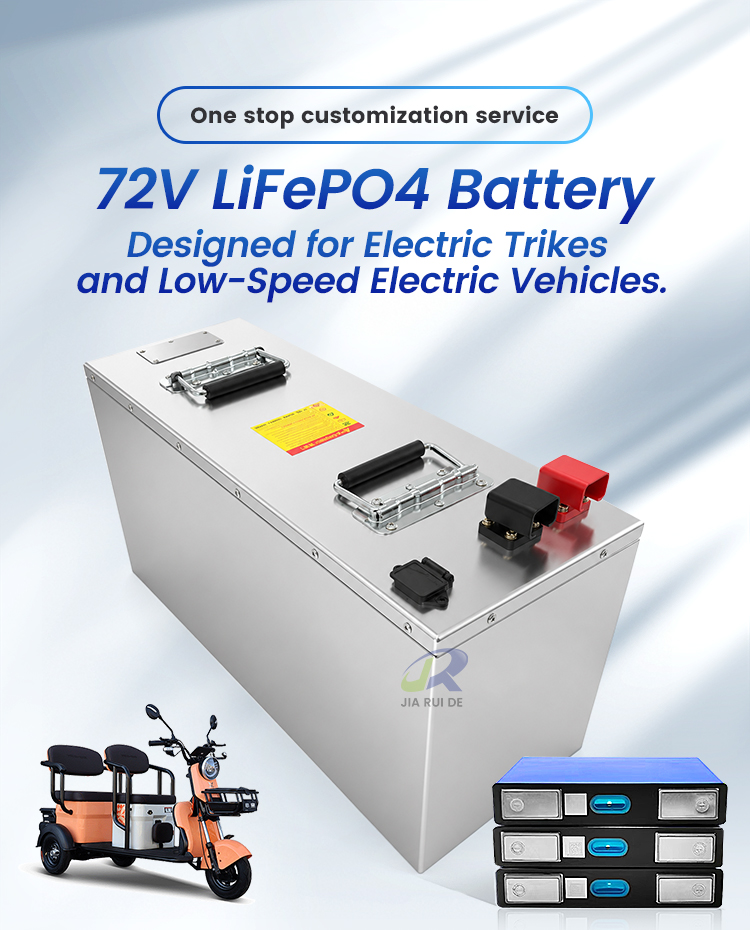
Lithium batteries for electric motorcycles are divided into ternary lithium batteries and lithium iron phosphate batteries, and traditional lead-acid batteries have been gradually replaced.
Primarily using ternary lithium materials, the positive electrode is composed of nickel, cobalt, manganese, or aluminum, while the negative electrode uses graphite. The electrolyte is a mixture of organic solvent and lithium salt. This structure achieves charging and discharging through the insertion and extraction of lithium ions between the positive and negative electrodes: during charging, lithium ions are extracted from the positive electrode and inserted into the negative electrode via the electrolyte; during discharging, they move in the opposite direction, generating current to drive the motor. Compared to lead-acid batteries, ternary lithium batteries have approximately three times the energy density, are 50% lighter, and support higher voltage outputs (such as 48V, 60V, and 72V), meeting the high-speed operation requirements of electric motorcycles.
Different voltages of lithium batteries for electric motorcycles correspond to different usage scenarios.
48V batteries are typically used in light electric motorcycles, with a range of about 50-80 kilometers, suitable for daily commuting;
60V batteries balance power and range, supporting a distance of over 100 kilometers, and are the mainstream choice for food delivery;
72V batteries are designed for long-distance or hill-climbing needs, with a range of over 150 kilometers. The higher the voltage, the greater the motor output power, but it is necessary to pay attention to the compatibility between the electric motorcycle controller and the motor to avoid damage to the equipment due to voltage mismatch.
Lithium batteries have high requirements for their operating environment: the charging temperature needs to be controlled between 0-45℃ to avoid capacity degradation caused by high or low temperatures; the original charger should be used during charging to prevent overcharging (voltage exceeding the rated value by 10% may cause thermal runaway); for long-term storage, the charge should be kept between 40%-60% to prevent the battery from self-discharging to a state of depletion. In addition, avoid severe vibrations or impacts while riding to prevent short circuits in the internal cells.
The performance advantages of ternary lithium batteries are reflected in three aspects:
First, they have a long cycle life, with 800-1200 deep charge-discharge cycles, three times that of lead-acid batteries;
Second, they have good low-temperature performance, maintaining over 70% capacity even at -20℃, making them suitable for winter use;
Third, they support high-rate charging and discharging, with some models able to charge to 80% in one hour, significantly reducing waiting time for food delivery.
However, their cost is about 40% higher than lead-acid batteries, requiring a trade-off between usage frequency and economic considerations.
In the long run, although the unit price of ternary lithium batteries is higher, the average annual cost is actually lower. Traditional lead-acid batteries, while inexpensive, have poor durability. Users can choose based on their individual needs.