As a short-distance mode of transportation in cities, the performance and cost of batteries, among key components of electric bicycles, directly affect consumers' choices and user experience.
Currently, the batteries used in electric bicycles on the market are predominantly lithium-ion and lead-acid types. How should we choose between the two? We will analyze this from multiple perspectives.
I. Usage Costs
Lead-acid batteries: Lead-acid batteries are relatively inexpensive but have a shorter lifespan, typically requiring replacement every one to two years, which leads to rising long-term costs. Additionally, they have lower charging efficiency and require longer charging times.
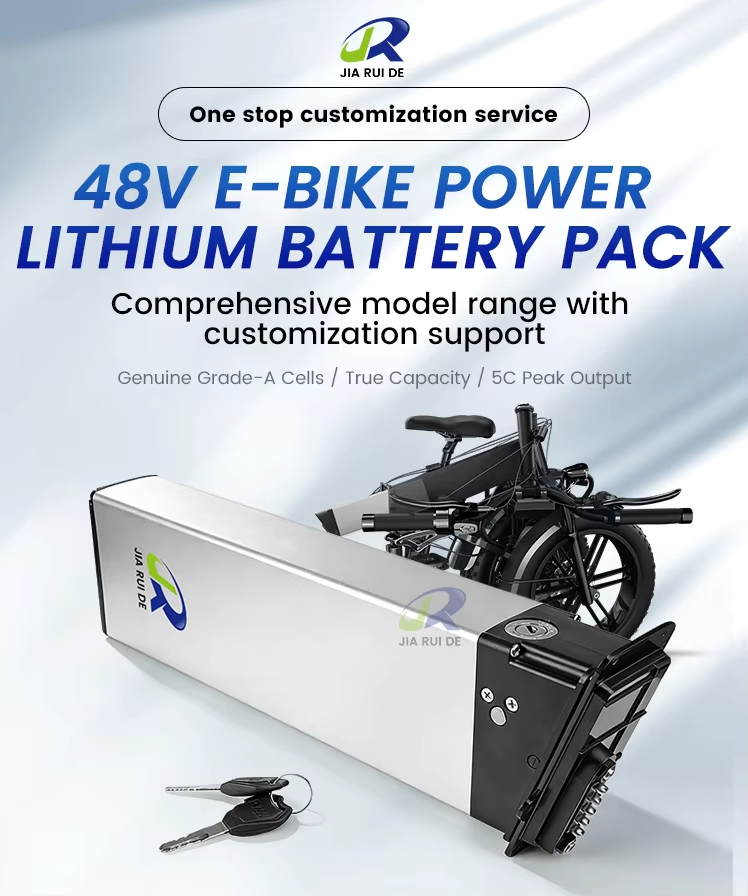
Lithium batteries: Although the initial purchase cost of lithium batteries is higher, they have a long life, can be used for 5-8 years, and have high charging efficiency and short charging time. In the long run, lithium batteries are cheaper to use.
II. Portability in daily life
Lead-acid batteries: Lead-acid batteries are heavy and bulky, making them inconvenient to carry. This poses a significant burden for users who need to move their e-bikes frequently.
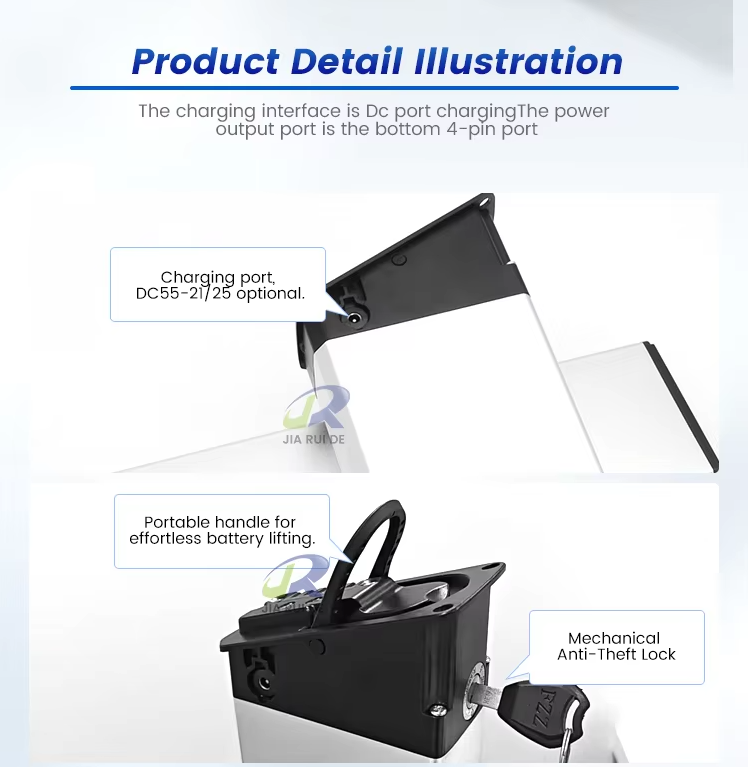
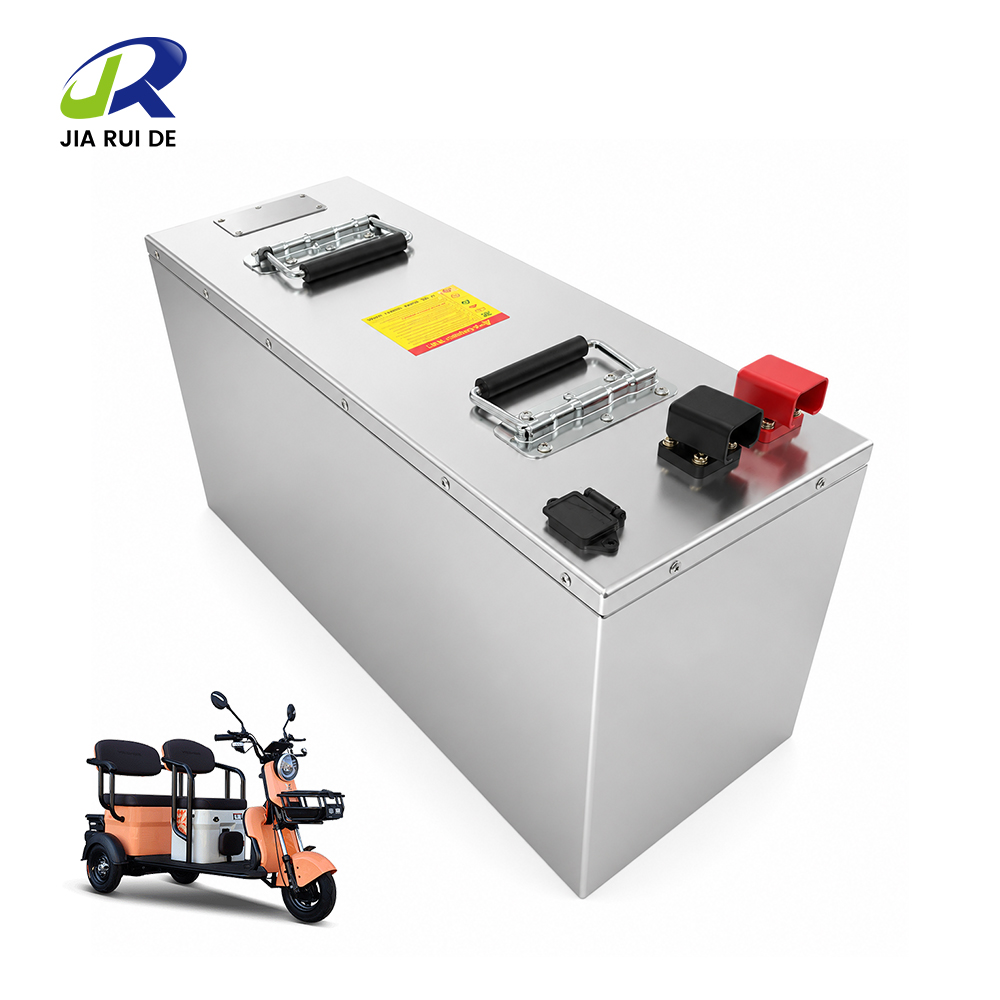
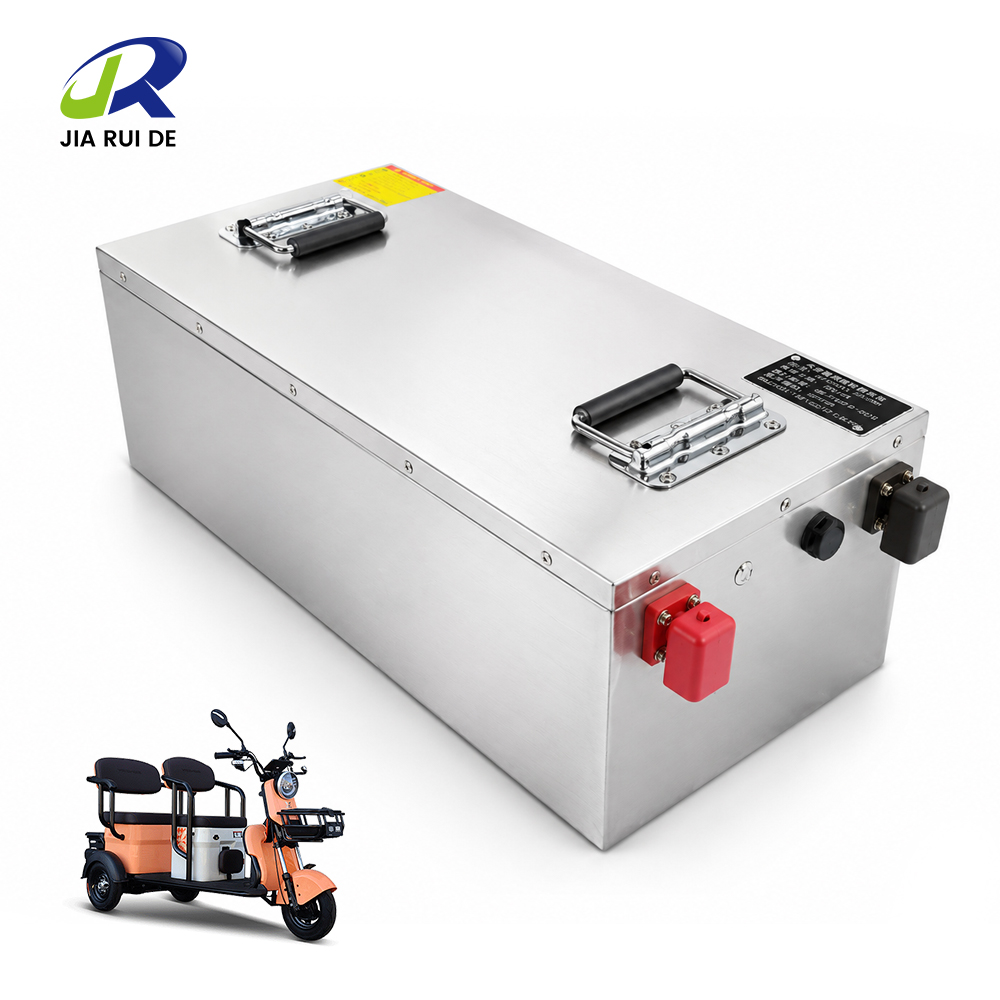
Lithium batteries: Lithium batteries are lightweight, compact, and easy to carry. This gives them a significant advantage in terms of portability.
III. Future Prospects
With technological advancements and increasingly stringent environmental regulations, lithium-ion battery technology continues to improve while costs gradually decrease. In contrast, lead-acid batteries may face further regulatory restrictions in the future due to their poor environmental performance. Therefore, looking at future trends, lithium batteries hold greater promise.
IV. Safety
Lead-acid batteries: Lead-acid batteries have problems such as leakage and corrosion during use, which pose certain safety hazards to the environment and users.
Lithium batteries: Lithium batteries offer superior stability and safety. However, it is important to note that they can undergo thermal runaway under extreme conditions; therefore, users should adhere to proper operating guidelines and avoid overcharging or over-discharging.
In the long run, although lithium batteries have a higher unit price, their average annual cost is actually lower. Traditional lead-acid batteries are inexpensive but lack durability. Users can make their choice based on their specific needs.