English

With the increasing popularity of electric vehicles as a short-distance urban transportation tool, what types of lithium batteries are used in them?
The most common types of batteries we see are ternary lithium batteries, lithium iron phosphate batteries, and traditional lead-acid batteries, while sodium-ion batteries (a dark horse in 2025-2026) are becoming increasingly popular.
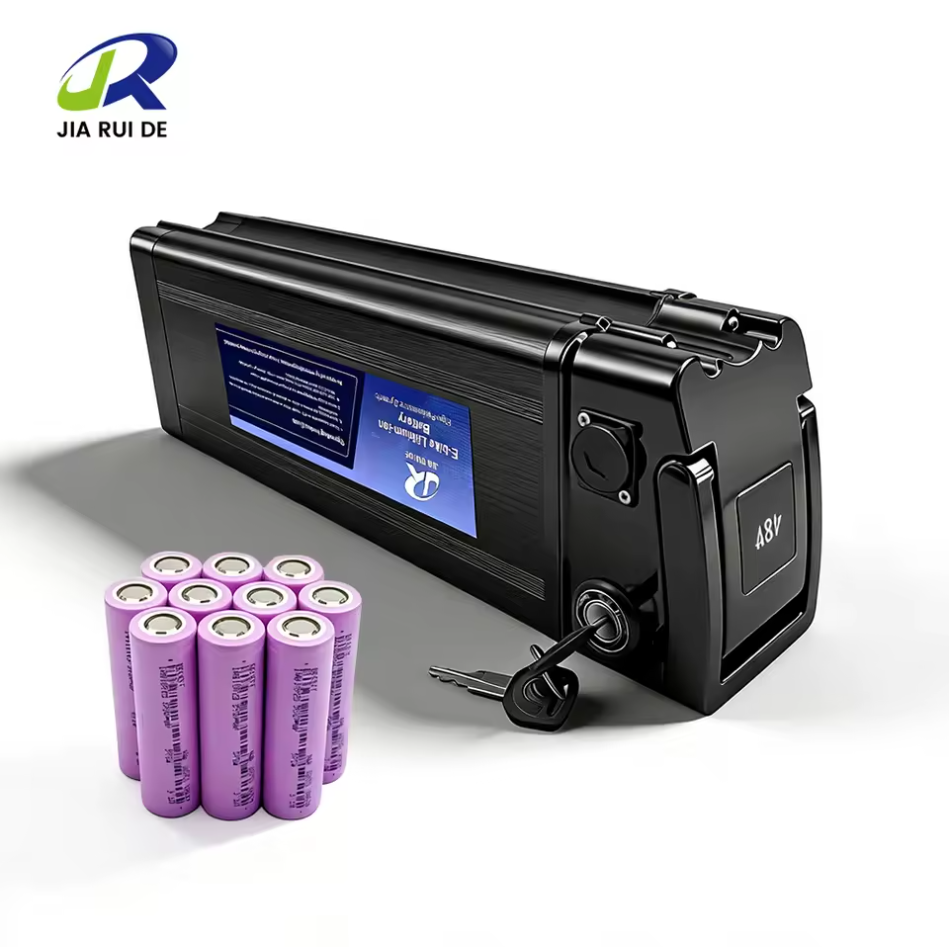
1.Lead-acid batteries (Electric bicycle lithium battery)
a.Advantages: Extremely inexpensive, absolutely safe, highly compatible, and has a wide network of after-sales service points.
b.Disadvantages: Bulky, short lifespan (2-3 years), significantly reduced range in winter, and unusable once its lifespan is over.
c.Suitable for: Those with limited budgets, short-distance commuting (≤10km/day), and those who don't want to change routes for older vehicles.
d.Not suitable for: cold winters, long commutes, or frequent use of food delivery services.
2. Ternary lithium battery(Electric bicycle lithium battery)
a.Advantages: Highest energy density, longest range for its volume, better performance at low temperatures than lithium iron phosphate (LFP).
b.Disadvantages: High price, poor thermal stability (prone to fire from impacts/overcharging), shorter lifespan than LFP.
c.Suitable for: Those seeking maximum range, users in southern climates, and those modifying their vehicles for lightweight applications.
d.Not suitable for: Cold winters, those with safety concerns, and those with limited budgets.
3. Lithium iron phosphate battery(LiFePO₄)(Electric bicycle lithium battery)
a.Advantages: Safe (does not catch fire when punctured), long lifespan (5-8 years), moderate cost, good thermal stability.
b.Disadvantages: Generally lower low-temperature performance (approximately 30% energy loss at -10℃), slightly lower energy density than ternary lithium batteries, larger size.
c.Suitable for: Delivery riders, long-distance commuters, long-term users, safety first.
d.Not suitable for: Extremely cold regions, those seeking extreme range.
4. Sodium-ion batteries(Electric bicycle lithium battery)
a.Advantages: Extremely cold-resistant (virtually no shrinkage at -20℃), fast charging (80% in 15 minutes), extremely safe, long lifespan.
b.Disadvantages: Lower energy density than ternary/lithium iron phosphate batteries, slightly higher price, fewer new products on the market.
c.Suitable for: Those experiencing range anxiety in cold winters, frequent fast charging, and those prioritizing safety.
d.Not suitable for: Those seeking extreme battery life, or those on a very tight budget.
Finally, here are some tips for choosing lithium batteries for electric bicycles; hopefully, they will provide you with some insights.
For those with a lower budget and less frequent driving: Graphene-coated lead-acid battery (more durable than regular lead-acid).
For those prioritizing safety and durability: Lithium iron phosphate battery.
For those in colder climates and who frequently use fast charging: Sodium-ion battery.
For those seeking the longest possible range: Ternary lithium battery.